
 SHOP BY MAKE
 ENGINE PARTS
 CHASSIS PARTS
 Help Center
Pro Mechanic’s Guide: Installing Camshaft & Lifters Like A Pro (Complete Kit Setup)
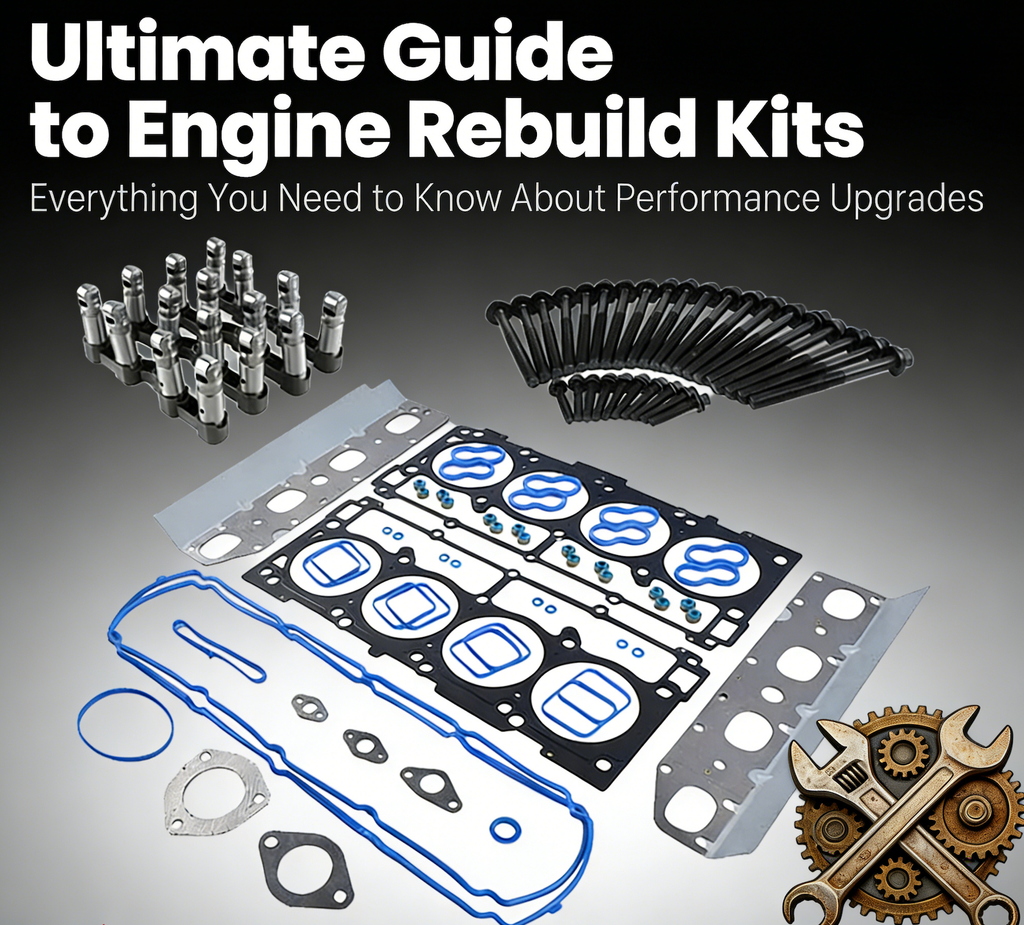
8 Essential Tips for Installing a Camshaft & Lifters Kit (Complete Engine Rebuild Guide)
Installing a camshaft kit with lifters, head gaskets, and bolts is a common repair when rebuilding or upgrading an engine. Many truck owners and mechanics across the U.S. replace these components together to restore performance and prevent future engine damage.
Whether you're working on a Hemi 5.7L, LS engine, or other V8 platforms, proper installation is critical. Below are 8 essential tips to help ensure a successful camshaft installation.
1. Prepare Your Workspace and Tools
Before starting, make sure you have all required tools ready:
• Torque wrench
• Engine assembly lubricant
• Camshaft installation handle
• Socket & breaker bar set
• Clean workbench
Keeping everything organized will help avoid contamination inside the engine.

2. Always Replace Lifters with a New Camshaft
When installing a new camshaft, always replace the lifters (valve lifters) at the same time.
Old lifters may already have wear patterns that can quickly damage a new camshaft. Installing a complete camshaft lifter kit ensures proper contact and long engine life.
3. Use Assembly Lubricant on Critical Components
Apply engine assembly lube to:
• Camshaft lobes
• Lifters
• Bearings
• Timing components
This protects the engine during the first startup before oil pressure fully builds.
4. Replace All Gaskets During Installation
A proper rebuild should always include a complete gasket kit, such as:
• Head gaskets
• Valve cover gaskets
• Intake manifold gasket
• Exhaust gaskets
• Valley pan gasket
New gaskets prevent oil leaks, coolant leaks, and compression loss.

5. Install New Head Bolts
Many modern engines use torque-to-yield (TTY) head bolts, which stretch during installation.
That means they should never be reused. Always install new head bolts and tighten them following the correct sequence.

6. Follow the Correct Torque Specifications
Every bolt must be tightened according to the manufacturer’s specifications.
Typical examples include:
• Cylinder head bolts
• Camshaft bolts
• Rocker arms
• Intake manifold bolts
Use a calibrated torque wrench and follow the recommended tightening sequence to prevent engine damage.
7. Prime the Engine Before First Start
Before starting the engine for the first time:
• Prime the oil system
• Check coolant levels
• Verify timing alignment
This helps prevent dry starts, which are one of the biggest causes of early camshaft failure.
8. Perform a Careful Break-In Procedure
After installation, allow the engine to go through a proper break-in process.
Recommended steps:
• Run the engine at varying RPMs for the first 20 minutes
• Avoid aggressive driving for the first 300–500 miles
• Change engine oil after the break-in period
This allows the camshaft and lifters to seat properly.
Final Thoughts
Installing a complete camshaft kit with lifters, gaskets, and bolts is one of the best ways to restore engine performance and reliability. When installed correctly, these components can significantly extend engine life and improve power delivery.
For truck owners and mechanics in the United States, using a complete rebuild kit ensures that all critical components work together as designed.
✔ Pro Tip:
If you're replacing a camshaft due to lifter failure, always inspect the oil pump and timing components to avoid repeating the same issue.
For visual step-by-step guidance, we have full camshaft & lifters installation videos on our YouTube channel. If you’d like to watch the professional installation process, follow our YouTube for detailed tutorials, tips, and real engine build demos.


)